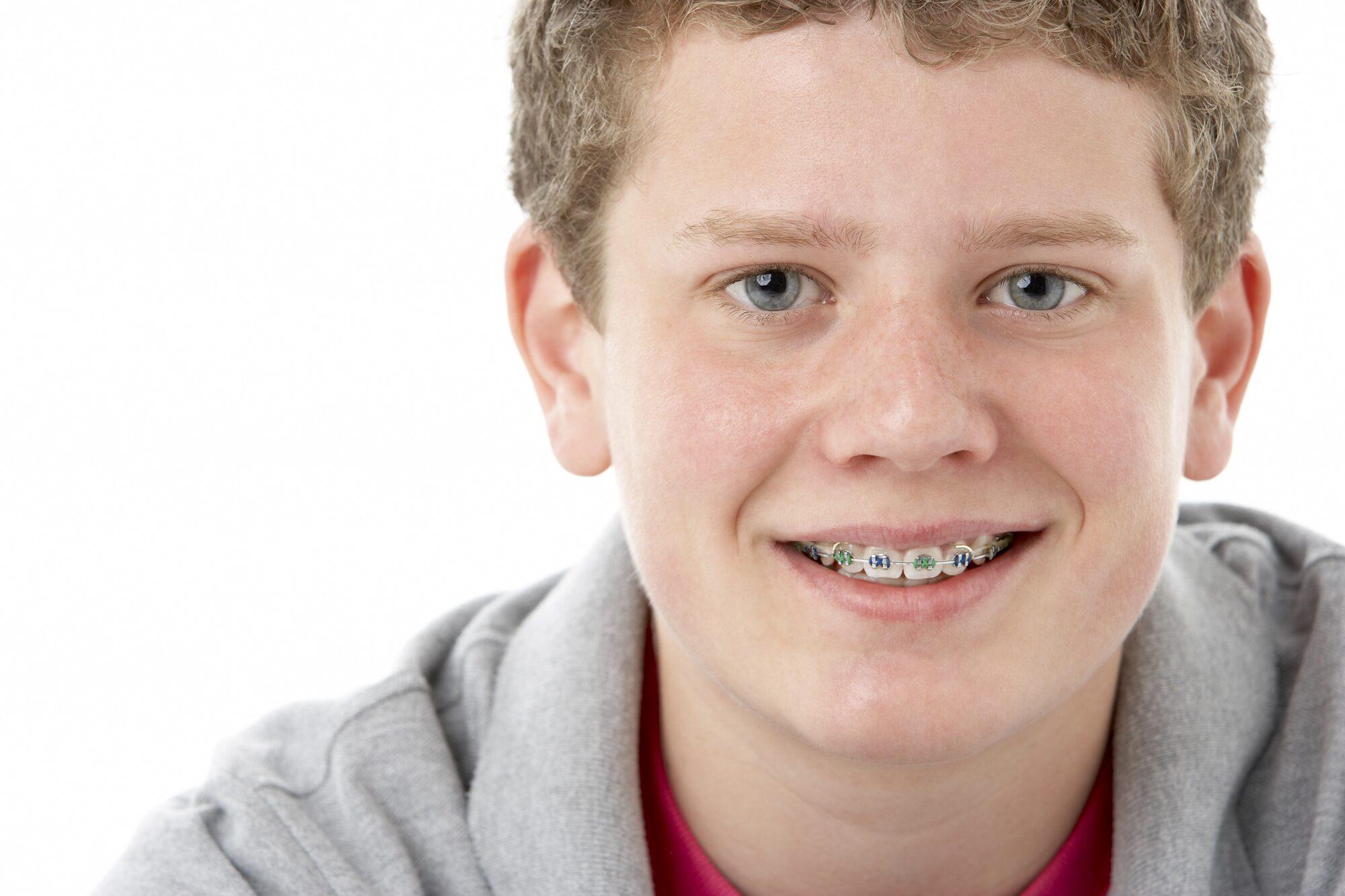
Orthodontic care for juvenile idiopathic arthritis
JIA can also affect the temporomandibular joints. We provide orthodontic care tailored to children and teenagers with this condition.
Experience from Aarhus University
During his clinical and research work at Aarhus University, our orthodontist gained particular experience with JIA and potential changes to the temporomandibular joints.
We apply this knowledge directly to examination and treatment planning. JIA can affect lower-jaw growth, the bite and facial development.
What do we consider during treatment?
For children and teenagers with JIA, we pay particular attention to:
Because temporomandibular joint involvement cannot always be identified from symptoms alone, close collaboration with the child’s paediatricians and rheumatologists is especially important.
Individual care
Orthodontic treatment is adapted to the child’s growth, dental and jaw development, and rheumatological situation.
This ensures that treatment is appropriate for the current phase of the condition.
Interdisciplinary coordination
When needed, we coordinate with paediatricians, rheumatologists, radiologists and other specialists involved in the child’s care.
The medical treatment of JIA itself remains the responsibility of the relevant rheumatology team.
Consultation for JIA and possible jaw changes
Would you like to know whether your child’s jaw joints, growth or bite should be monitored by an orthodontist? During a personal examination, we assess dental and jaw development and discuss whether orthodontic follow-up is advisable.